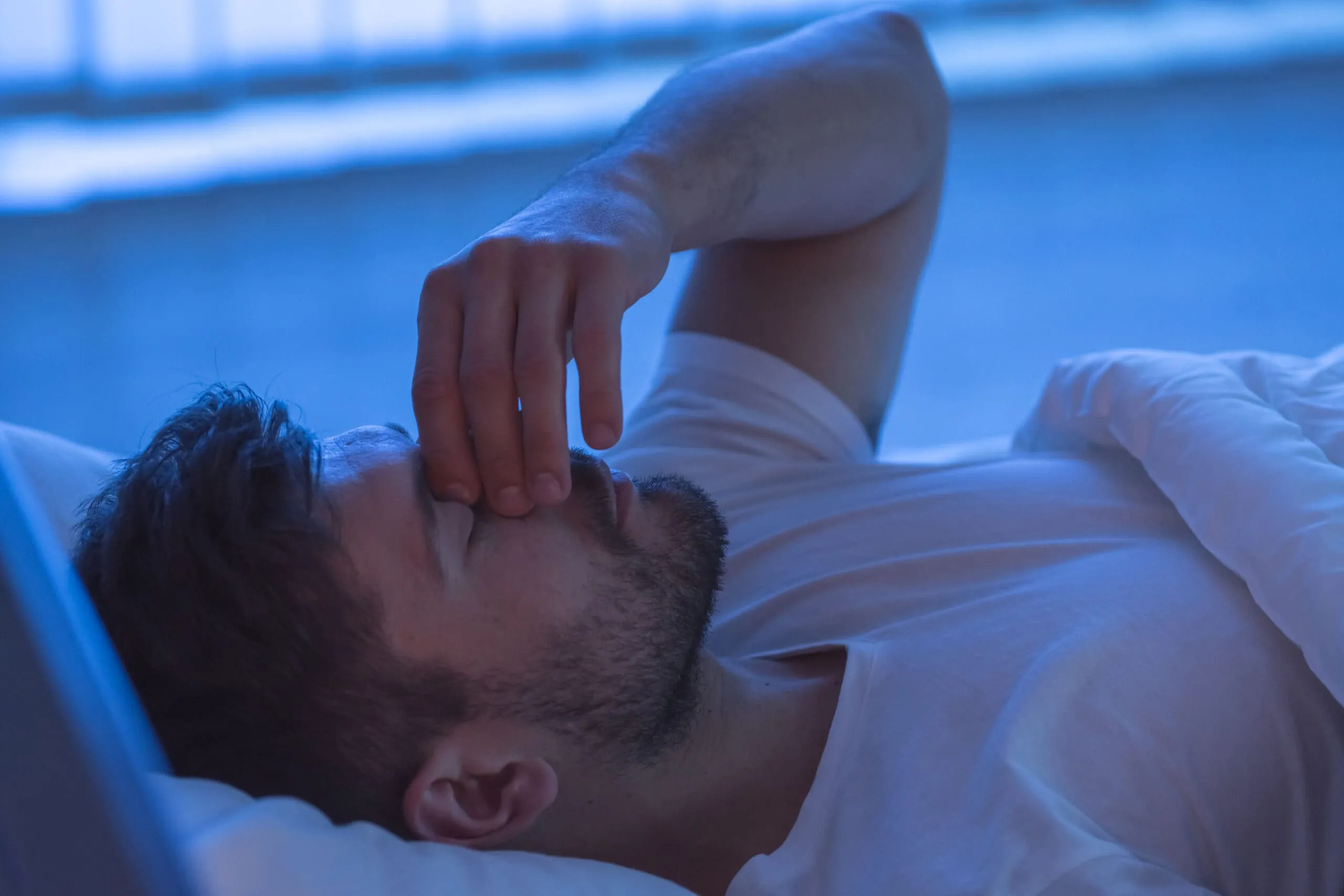
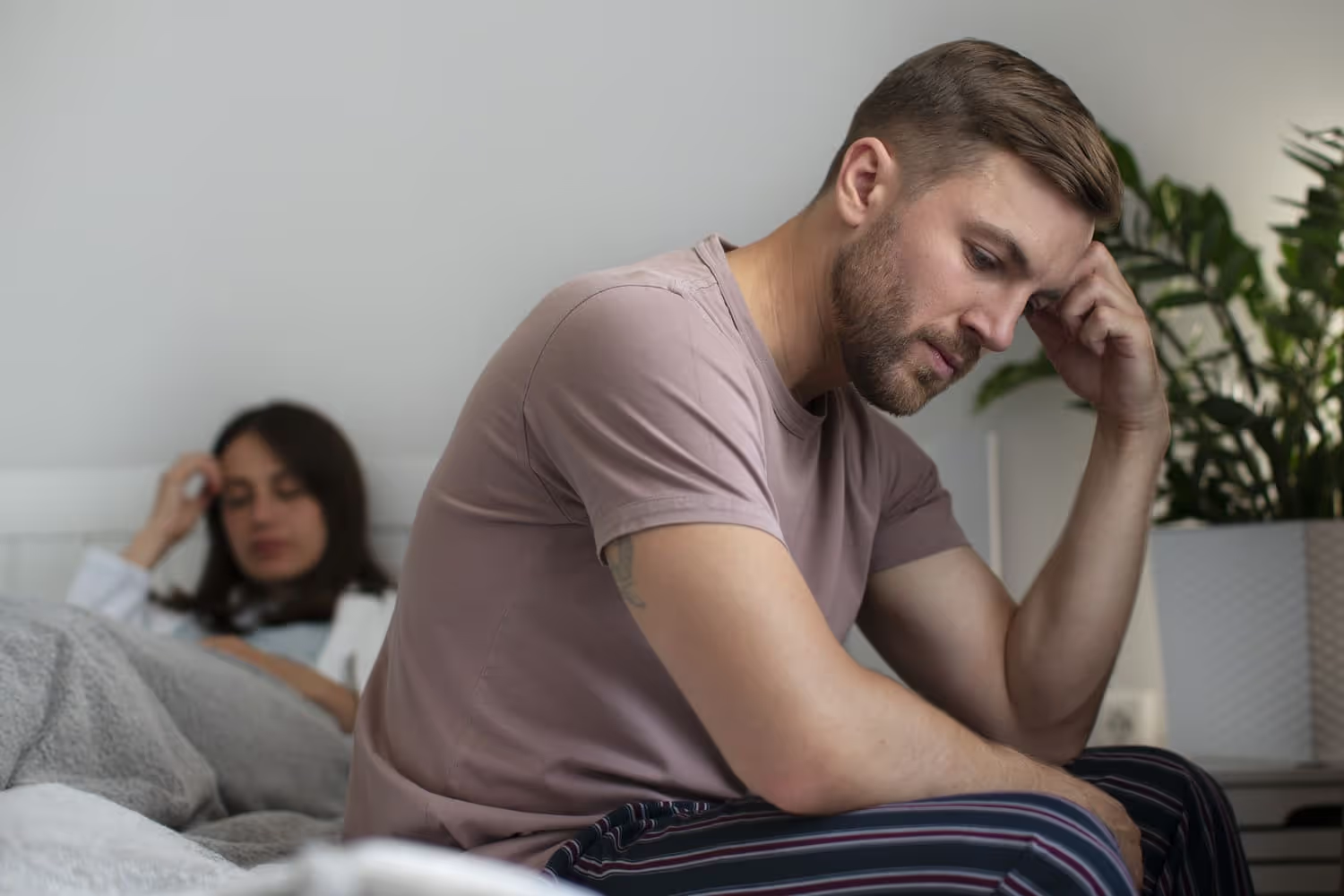
Man lying awake in bed at night, illustrating how low testosterone and hormone imbalances can disrupt sleep patterns, rest, and recovery.

Low Testosterone and Sleep: What Disrupts Your Rest — and How to Fix It

Testosterone Therapy
May 9th, 2025
1
Min Read

Article / Low Testosterone and Sleep: What Disrupts Your Rest — and How to Fix It

Sleep issues like chronic fatigue, insomnia, or night sweats aren’t always caused by poor habits or stress. For many men, low testosterone is a root cause that’s frequently overlooked. Recent estimates suggest that 20–40% of men over the age of 45 have testosterone levels low enough to cause significant symptoms — and the risk increases with age. (1)

Testosterone is critical in regulating the body’s sleep-wake cycle, energy production, and overall recovery. Testosterone levels are typically highest around 8 a.m. and lowest around 8 p.m., and proper sleep facilitates this normal cycle of testosterone production. (2) When testosterone levels fall below optimal ranges, the result is often poor-quality sleep, disrupted rest, and an ongoing state of exhaustion.

What’s more concerning is that the relationship between sleep and testosterone is bidirectional. Poor sleep reduces testosterone production, and low testosterone, in turn, worsens sleep. This creates a compounding cycle that leads to mounting symptoms over time.

Understanding the direct link between low testosterone and sleep is essential for addressing these issues effectively. Left untreated, hormone imbalances can sabotage not only your rest but also your long-term health and quality of life.

How Low Testosterone Affects Sleep

When testosterone levels decline, the consequences often show up first at night — and they’re not always easy to trace back to hormones. Here are four of the most common ways low testosterone interferes with sleep:

Insomnia and Restlessness

Sleep deprivation is now considered a public health epidemic, and it disproportionately affects men with hormonal imbalances. Among men with low testosterone, poor sleep quality affects an estimated 30–50%.  (3)

Men with hypogonadism — the medical term for low testosterone — often struggle to fall asleep or stay asleep. Testosterone interacts with neurotransmitters in the brain that help regulate circadian rhythms and promote deeper sleep cycles. When levels drop, this regulatory system falters, leading to shallow, disrupted sleep patterns.

In some cases, these disturbances progress into full-blown insomnia, where men may lie awake for hours or wake frequently throughout the night with no clear cause.

Night Sweats from Low Testosterone

Low testosterone can also be the cause of another highly disruptive hormone symptom: night sweats. (4)  Night sweats are one of the most disruptive symptoms of low testosterone in men and are often misattributed to other conditions.

Hormonal shifts can alter the hypothalamus’s ability to regulate body temperature, resulting in sudden episodes of overheating, sweating, and sleep disruption. These night sweats often come without warning, leaving men feeling uncomfortable, sleep-deprived, and confused about the underlying cause.

Poor Sleep Quality

Even if sleep duration remains technically adequate, low testosterone significantly degrades sleep architecture — the structure of sleep cycles throughout the night. Specifically, men with low T often experience:

  • Less deep (slow-wave) sleep, which is crucial for tissue repair and recovery
  • Reduced REM sleep, which supports cognitive performance and memory
  • More frequent awakenings, resulting in fragmented and non-restorative sleep

This results in you waking up feeling unrefreshed, foggy, and sluggish — regardless of how long you were in bed.

Fatigue and Poor Recovery

Testosterone supports the body's recovery mechanisms, including muscle repair, energy metabolism, and motivation. Without sufficient testosterone levels, men often experience persistent fatigue, even after what they perceive as a full night of rest. (5)

This typically doesn’t manifest as just everyday tiredness — it's a deeper form of physical and mental exhaustion that limits performance, mood, and overall vitality.

How Poor Sleep Makes Low Testosterone Worse

The connection between sleep and testosterone levels isn’t one-directional. High-quality sleep is necessary for adequate testosterone production, and when sleep is compromised, hormone levels also suffer.

Testosterone Is Produced During Sleep

Research shows that the majority of daily testosterone secretion typically occurs in the early morning hours. (6) If those sleep stages are disrupted — whether due to insomnia, stress, or physical conditions — testosterone output drops.

One clinical study found that even one week of restricted sleep (fewer than five hours per night) resulted in a 10–15% decrease in daytime testosterone levels in healthy young men. (7)  The impact can be even more pronounced in older men, whose hormonal reserves are already declining.

Sleep Apnea and Low Testosterone

Obstructive sleep apnea (OSA) is a serious but common condition in men that directly affects testosterone levels. OSA causes the airway to collapse during sleep, triggering intermittent pauses in breathing and reducing oxygen flow to the brain and body. Symptoms of OSA include loud snoring, gasping during sleep, or waking up with a headache.

Studies have linked sleep apnea and low testosterone, suggesting that untreated OSA leads to significantly lower total and free testosterone levels. (8)

What’s worse is that the relationship is cyclical: low T may also increase the risk of developing or worsening sleep apnea.

This establishes a dangerous loop:

  • Poor sleep → Reduced testosterone production
  • Low testosterone → Disrupted sleep quality and night sweats
  • Repeat, with worsening outcomes over time

Without intervention, this hormonal-sleep cycle erodes both physical health and mental well-being, which can increase the risk of obesity, depression, cardiovascular disease, and metabolic dysfunction.

How to Improve Testosterone and Sleep Health

Fortunately, there are several clear, evidence-based strategies to break the cycle and restore both sleep quality and hormonal balance.

Healthy Sleep Habits

Prioritizing sleep hygiene is the foundation of hormone health. These habits support deeper, more restorative rest:

  • Establish a consistent sleep-wake schedule, even on weekends.
  • Create a sleep-friendly environment: dark, cool, quiet, and free of screens or blue light exposure.
  • Minimize stimulation before bed with calming routines like reading, stretching, or meditation.
  • Manage stress, as elevated cortisol interferes with both sleep and testosterone production.

Address Sleep Disorders

Conditions like obstructive sleep apnea should be properly diagnosed and treated. A home sleep study or in-lab polysomnography can confirm whether breathing disruptions are interfering with hormone production.

CPAP therapy, dental devices, or positional therapy may be prescribed based on the severity of apnea. Treating OSA often results in notable improvements in both sleep quality and testosterone levels in a short period of time.

Lifestyle Changes

Several lifestyle factors directly influence both sleep and hormonal health, such as:

  • Exercise regularly, particularly resistance training, which is shown to increase natural testosterone production. (9)
  • Maintain a healthy weight, as excess body fat — especially visceral fat — lowers testosterone and increases the risk of sleep apnea.
  • Limit alcohol and recreational drug use, both of which impair sleep architecture and suppress testosterone synthesis.
  • Avoid excessive evening caffeine, which can delay melatonin release and disrupt sleep onset.

Medical Evaluation and Treatment

If lifestyle interventions aren’t enough, the next step is to receive a professional evaluation by a qualified professional, such as at your local Gameday Men’s Health. A comprehensive blood panel can assess total and free testosterone levels, as well as related markers like cortisol, SHBG, and estrogen.

Testosterone Replacement Therapy (TRT) is an evidence-based treatment option for men diagnosed with low testosterone. TRT has been shown to improve sleep quality, energy, muscle mass, mood, and libido.

In addition to poor sleep and low energy, many men with low testosterone also experience erectile dysfunction — another potential sign of hormonal imbalance.

If you’re dealing with multiple symptoms, including disrupted sleep, low libido, or performance issues, it’s essential to get a full hormonal evaluation. At Gameday Men’s Health, we specialize in hormone optimization for men. Our team provides fast, accurate testing and customized treatment plans designed to help you reclaim your vitality — starting with better sleep and balanced hormones. We pride ourselves on our safe, medically-supervised TRT protocols that are tailored to your individual needs and goals.

Break the Cycle of Low Testosterone and Poor Sleep

The link between low testosterone and sleep is undeniable — and can often go underdiagnosed. Poor sleep contributes to hormonal decline, while hormone imbalances impair the body’s ability to rest, recover, and regenerate.

If you're struggling with night sweats, sleep apnea, chronic fatigue, or unrefreshing sleep, it may be time to look deeper. Addressing your testosterone levels may be the key to unlocking better health and long-term recovery.

You don’t have to accept low energy, disrupted sleep, or declining health as your new normal. Schedule a consultation with Gameday Men’s Health to help understand the root cause of these issues and take the first step toward restoring healthy sleep, performance, and a better quality of life.


Testosterone Cypionate

Testosterone Cypionate provides long-acting hormone support through periodic injections that maintain steady testosterone levels. This option enhances muscle strength, bone health and overall vitality. Beneficial for men with confirmed hormone deficiency and performance-focused goals.

Read More...
SEE TREATMENT
SEE TREATMENT

Oral TRT (KYZATREX®)

This bioidentical oral testosterone formulation delivers stable hormone levels designed to restore energy, mood and masculine performance. It’s an ideal option for men seeking the convenience of a pill with the clinically proven benefits of medically supervised testosterone replacement.

Read More...
SEE TREATMENT
SEE TREATMENT

Testoterone Pellets

Testosterone pellets offer a slow-release solution for consistent hormone balance over months at a time. Once implanted beneath the skin, these pellets provide steady testosterone delivery, reducing the need for frequent dosing and helping men maintain energy, mood and drive with minimal disruption.

Read More...
SEE TREATMENT
SEE TREATMENT

Sermorelin

Sermorelin stimulates your body’s natural growth hormone production, supporting lean muscle growth, enhanced recovery, improved sleep and greater vitality. Ideal for men seeking a restorative, lifestyle-focused approach to aging well and maintaining energy, strength and overall wellness.

Read More...
SEE TREATMENT
SEE TREATMENT

Tirzepatide

Tirzepatide is a dual-action metabolic therapy that supports weight control by improving insulin sensitivity, reducing appetite, and enhancing satiety.
It helps regulate blood sugar levels and supports steady fat loss when combined with proper nutrition and lifestyle habits. This option is ideal for men seeking a guided, medically supervised approach to sustainable weight-management results.

Read More...
SEE TREATMENT
SEE TREATMENT

GLP-1 Therapy

GLP-1 therapy supports appetite regulation and blood sugar control to help men achieve steady, sustainable weight loss and improved metabolic health. For men who have tried diet and exercise yet still struggle with excess weight or energy dips, GLP-1 offers a medically-supervised option that aligns with performance, wellness and hormonal balance.

Read More...
SEE TREATMENT
SEE TREATMENT

SHOCKWAVE therapy

Shockwave therapy, also known as GainsWave®, uses low-intensity acoustic waves to stimulate new blood vessel growth and tissue regeneration. It’s a safe, non-invasive treatment that improves erectile function, sensation, and long-term performance without medication.

Read More...
SEE TREATMENT
SEE TREATMENT

Vitamin B12 injections

Vitamin B12 injections help boost energy, improve focus and support metabolic health by delivering a potent dose of this essential nutrient directly into your bloodstream. At Gameday we use B12 to support red blood cell and nerve health in men who feel fatigued or need a reliable vitality boost.

Read More...
SEE TREATMENT
SEE TREATMENT

MIC Lipotropic Injections

MIC Lipotropic injections deliver key nutrients designed to support fat metabolism, improve liver function and enhance overall energy. Ideal for men who train hard, travel often or need an extra metabolic boost, this therapy complements your lifestyle and helps your body make the most of your effort.

Read More...
SEE TREATMENT
SEE TREATMENT

P-Shot®

P-Shot® uses your body’s platelet-rich plasma to repair tissue, enhance blood flow, and increase sensitivity. This regenerative therapy supports stronger, longer-lasting erections while improving overall penile health and performance naturally.

Read More...
SEE TREATMENT
SEE TREATMENT
Fit man holding a Clomid pill bottle, highlighting treatment options for boosting testosterone and supporting men’s wellness.Fit man holding a Clomid pill bottle, highlighting treatment options for boosting testosterone and supporting men’s wellness.

Don’t just read about it, feel the difference.

Thousands of men have already taken the first step toward stronger energy, better performance, and lasting confidence. The science is real — and the results speak for themselves. Ready when you are.

Related Articles

A man running toward the future with the years 2024, 2025, and 2026 on the road, symbolizing progress in testosterone therapy as he moves toward improved health supported by a TRT clinic.

Kickstart 2026 Wellness: Elevate Men's Health with Gameday

As the new year approaches, focus on setting meaningful health goals. Embrace personalized wellness plans to unlock your best self and achieve optimal performance in 2026.
Read article
Read article
A man happily standing on a mountain peak, symbolizing renewed confidence and a fresh start thanks to effective ED treatment options for 2026.

Erectile Dysfunction Treatment Options to Start 2026 on a High Note

Explore the best erectile dysfunction treatment options for 2026, including medications, TRT, shockwave therapy, peptides, and more. Learn how to choose the right plan.
Read article
Read article
Man and woman smiling while lying on a bed, representing improved intimacy through natural ED treatments.

Natural Treatment for Erectile Dysfunction: What Works and What Doesn’t

Explore the best natural treatments for erectile dysfunction, including diet, exercise, supplements, stress reduction, and more. Learn when natural remedies help — and when to see a professional.
Read article
Read article
A man sits with a smile while two healthcare professionals discuss treatment options on a tablet, highlighting the personalized care and attention in choosing a testosterone replacement therapy clinic.

Your Health Matters: Choosing a Testosterone Replacement Therapy Clinic

Have you been feeling tired, find it difficult to sleep, or have a low sex drive? For many men in their late 30s and older, these can be common symptoms associated with low testosterone levels. Also known as low T, this hormonal imbalance can impact several important aspects of your health and your life.
Read article
Read article
A close-up of unhealthy foods like fried chicken, burgers, and sugary drinks that contribute to poor blood circulation and worsen erectile dysfunction symptoms in men.

Worst Foods for Erectile Dysfunction: What to Avoid for Better Performance

Learn which foods can worsen erectile dysfunction. Discover how diet affects blood flow, hormone balance, and performance — and what to eat instead.
Read article
Read article
Man at desk smiling while on phone with notepad in hand.

Why Office Workers Trust Gameday for Testosterone Therapy

Testosterone therapy can help office workers combat symptoms of low testosterone caused by sedentary lifestyles. Learn how it boosts energy, mood, and performance.
Read article
Read article
A muscular man preparing a testosterone injection, representing the importance of safe, medically supervised testosterone replacement therapy.

Why Is Testosterone a Controlled Substance? Understanding the Law and Safety

Learn why testosterone is a controlled substance, how it’s regulated, and why medical supervision is essential for safe and legal TRT.
Read article
Read article
Military man in casual wear relaxing on couch with dog in a warm, cozy room.

How Gameday’s TRT Empowers Military Members

Military personnel facing low testosterone can see improved strength, endurance, and mental sharpness through testosterone therapy. Understand its benefits and find tailored treatment options to boost performance and quality of life.
Read article
Read article
A young man sits on a bed, hand on head, reflecting on ED in young men, with a woman blurred in the background.

ED in Young Men: Overcoming Performance Anxiety and Regaining Confidence

For younger men experiencing ED, psychological factors can negatively impact sexual performance. Read about how to overcome performance anxiety in the bedroom.
Read article
Read article
Runner in a red jacket jogs through a snowy forest, an ideal scene for winter weight loss.

Unlock Winter Weight Loss with Gameday Men’s Health Solutions for Men

Winter weight gain is a common struggle for many men, but Gameday makes it easy to lose those stubborn pounds with personalized weight loss treatments.
Read article
Read article
Man in good shape stretching, highlighting fitness and weight loss benefits linked with GLP-1 treatments.

Which GLP-1 Is Best for Weight Loss?

GLP-1 medications have quickly become one of the most talked-about breakthroughs in medical weight loss. Originally developed for type 2 diabetes, these injectable treatments have recently been utilized to help patients shed significant weight while improving their metabolic health.
Read article
Read article
Two men stretching outdoors before a workout as a part of their weight loss journey combined with weight loss injections.

What is the Best Injection for Weight Loss? A Men’s Guide

For decades, the weight loss industry has pushed crash diets, endless cardio, and overpriced supplements. Most men who have struggled with weight loss have tried at least one of these “solutions,” only to watch the weight return over time. However, a new approach has been gaining attention in recent years: weight loss injections. When supported by clinical research and administered under medical supervision, these treatments are helping men lose fat more effectively than most fad diets ever could.
Read article
Read article