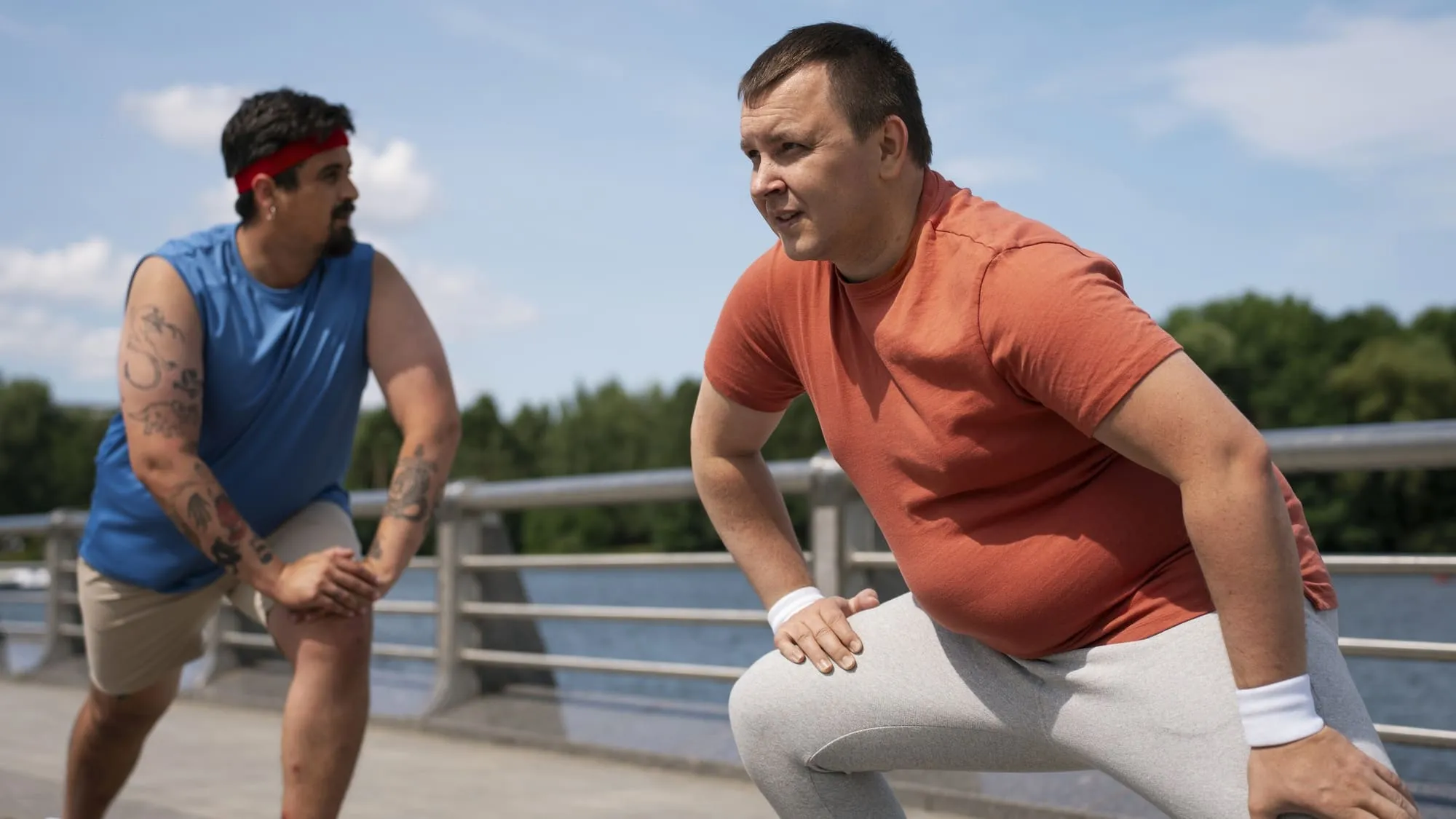
Testosterone is often considered the cornerstone of male health. It influences everything from muscle mass and energy levels to libido, fat distribution, and mental clarity. Yet as men age or face increased stress, poor sleep, or weight gain, testosterone levels can decline, often leading to frustrating symptoms like low energy, reduced performance, and diminished motivation.
Many men then wonder if working out can help boost testosterone. The answer is generally yes, but with important caveats. Not all forms of exercise have the same effect on hormone production, and factors like intensity, duration, and recovery play a critical role in determining your body’s hormonal response and overall testosterone health.
In this guide, we will break down the science behind testosterone and exercise and highlight the most effective training methods to support natural hormone production. We’ll also explain what to do if you still find yourself dealing with low testosterone, and show you how Gameday can support you during your journey to revitalizing your health.
The Link Between Exercise and Testosterone
Testosterone is a steroid hormone primarily produced in the testes in men. It regulates numerous physiological processes, including muscle protein synthesis, fat distribution, libido, bone density, and recovery. (1) As men age, testosterone production gradually declines. This process often begins for men in their 30s, which can lead to fatigue, decreased performance, mood changes, and reduced sexual function. Testosterone levels typically decline by about 1% per year after age 30. (2)
So, can exercise increase testosterone? Yes, physical activity—particularly strength training—can lead to a natural rise in testosterone. This response is part of the body’s adaptive mechanism to stress and muscle damage. When you challenge your body with resistance or high-intensity efforts, it signals the endocrine system to increase testosterone production to help build and repair tissues. Studies have shown that men who exercise regularly often see higher testosterone levels than sedentary men. (3)
However, there can also be a tipping point in which exercise can actually become harmful to testosterone levels. While moderate, strategic exercise supports hormone health, excessive training without adequate recovery can have the opposite effect. This process, known as Overtraining Syndrome (OTS), may suppress testosterone and increase cortisol, the stress hormone, which can interfere with testosterone’s androgen receptor binding. (4)
What Science Says About Working Out and Testosterone
Research consistently shows that certain types of physical activity can increase both short-term and long-term testosterone levels. For example, studies have found that resistance training leads to acute increases in serum testosterone—usually peaking around 15 to 30 minutes after a workout. (5)
Over time, some studies suggest that men who regularly engage in strength training often see a baseline increase in testosterone, particularly if they also manage other factors like body composition, stress, and sleep.
One study showed that a combination of bilateral knee extensions and leg presses resulted in a significant increase in testosterone. (6) Another showed that high-intensity training that consisted of 90 seconds of intense treadmill running interspersed with 90-second recovery periods boosted free T levels more significantly than simply running for 45 minutes straight. (7)
It’s important to note that not all exercise is beneficial for testosterone. Chronic endurance training, such as excessive long-distance running, may actually decrease testosterone levels over time. (8) This is especially true when paired with inadequate caloric intake, poor recovery, or high levels of psychological stress.
The body perceives long-duration aerobic training as a stressor, and the hormonal environment can shift toward increased cortisol and suppressed testosterone. This underscores the need for balance in your training approach.
Best Types of Exercise to Boost Testosterone
When considering testosterone boosting workouts, some forms of exercise are far more effective than others. The key when developing an exercise routine to boost testosterone is intensity, volume, and rest.
Resistance Training (Weightlifting)
Resistance training, specifically weightlifting, is one of the best exercises for naturally increasing testosterone. Compound movements like squats, deadlifts, bench presses, and rows recruit large muscle groups and stimulate a hormonal response. The temporary rise in testosterone helps with muscle repair, fat metabolism, and overall performance.
The mechanisms are rooted in the body’s adaptation to stress. When you lift heavy weights, especially with moderate to high volume (think 3–5 sets of 5–10 reps), you cause microscopic tears in muscle fibers. The body then responds by increasing anabolic hormone production, including testosterone, to rebuild stronger tissue. (9)
This is where the connection between testosterone and strength training is most evident. Lifting regularly not only boosts testosterone but may also increase the body’s sensitivity to the hormone, enhancing its effects.
High-Intensity Interval Training (HIIT)
If you’re short on time, HIIT offers an efficient way to trigger testosterone increases. This training style involves short bursts of all-out effort followed by brief rest periods. For example, sprint on a bike for 30 seconds, rest for 90 seconds, and repeat for 15–20 minutes.
Studies show that HIIT can boost testosterone levels and improve insulin sensitivity, oxygen consumption, and fat loss. (10) Unlike long cardio sessions, HIIT avoids prolonged cortisol spikes, which can counteract testosterone production.
Sprinting or Short Bursts of Cardio
Quick, explosive sprint workouts also fall under the umbrella of testosterone boosting workouts. Whether done on a track, bike, or rowing machine, these anaerobic efforts mimic the effects of HIIT and resistance training.
To support testosterone production, prioritize anaerobic efforts that build muscle and activate fast-twitch muscle fibers.
Factors That Influence Testosterone Gains from Exercise
Exercise is just one piece of the puzzle. Several other personal and lifestyle factors play a role in how well your body responds hormonally to training. These include:
- Age: Testosterone production naturally declines with age, making it harder to see significant gains from exercise alone.
- Sleep: Poor sleep reduces testosterone synthesis. Aim for 7–9 hours of quality sleep each night.
- Body Fat: Excess fat, especially around the midsection, can convert testosterone to estrogen.
- Nutrition: Nutrient deficiencies, such as low zinc, magnesium, or vitamin D, can suppress testosterone. Eating right can also make a significant difference, especially if you’re consistently adding the best foods to boost testosterone to your diet.
- Stress: Chronic stress elevates cortisol, which competes with testosterone.
- Overtraining: Too much exercise without recovery backfires hormonally.
Maintaining a healthy lifestyle is essential when learning how to naturally increase testosterone. Resistance training and HIIT provide the stimulus. However, sleep, food, and stress management have a significant impact in determining your body’s ability to respond.
Can Women Boost Testosterone by Working Out?
Women produce far less testosterone than men, but the hormone still plays a role in female health—supporting muscle tone, libido, and bone strength. Studies have shown that resistance training can increase testosterone and impact fat distribution in women. (11) However, the magnitude of testosterone increase is substantially less pronounced than in men.
For women, it’s important to note that working out and resistance training won’t necessarily make them “too bulky” or cause testosterone to rise unnaturally high. The hormonal environment in women ensures that strength training supports lean muscle development and metabolic health without masculinizing effects.
Gameday Men’s Health: Your Partner in Hormone Optimization
For many men, working out regularly, eating clean, and managing stress are enough to keep testosterone in a healthy range. However, if you’ve dialed in your lifestyle and still feel fatigued, unmotivated, or struggle with sexual performance, there may be a deeper issue with testosterone at play.
At Gameday Men’s Health, we specialize in helping men reclaim their vitality through advanced, personalized hormone optimization. Our process starts with fast, on-site lab testing to evaluate your testosterone levels and other key markers. From there, our licensed providers create a tailored treatment plan that may include testosterone replacement therapy (TRT), peptides, oral testosterone, or other medical-grade interventions to support your long-term goals.
Whether you’re exploring how to increase testosterone or seeking expert guidance for low-T symptoms, Gameday is here to help. Our comfortable, clinic-based environment is designed specifically for men, and our team is focused exclusively on care for your performance and wellness.
If you’re ready to seize control of your health and find out if your testosterone levels are diminishing, schedule your free hormone consultation at your local Gameday Men’s Health location and take the first step toward unlocking your full potential.
FAQs (for People Also Ask + AI Overview Inclusion):
Does working out actually raise testosterone?
Yes, especially resistance training and high-intensity interval training.
How long does it take to see results?
Testosterone levels may spike temporarily after a single session, but consistent training is needed for long-term benefits.
Can too much exercise lower testosterone?
Yes, overtraining without proper recovery can suppress T levels.
What type of workout is best for testosterone?
Resistance training and short-duration HIIT workouts are most effective.
Do leg workouts increase testosterone more than other workouts?
Leg exercises like squats and deadlifts engage large muscle groups and can stimulate greater hormonal responses.